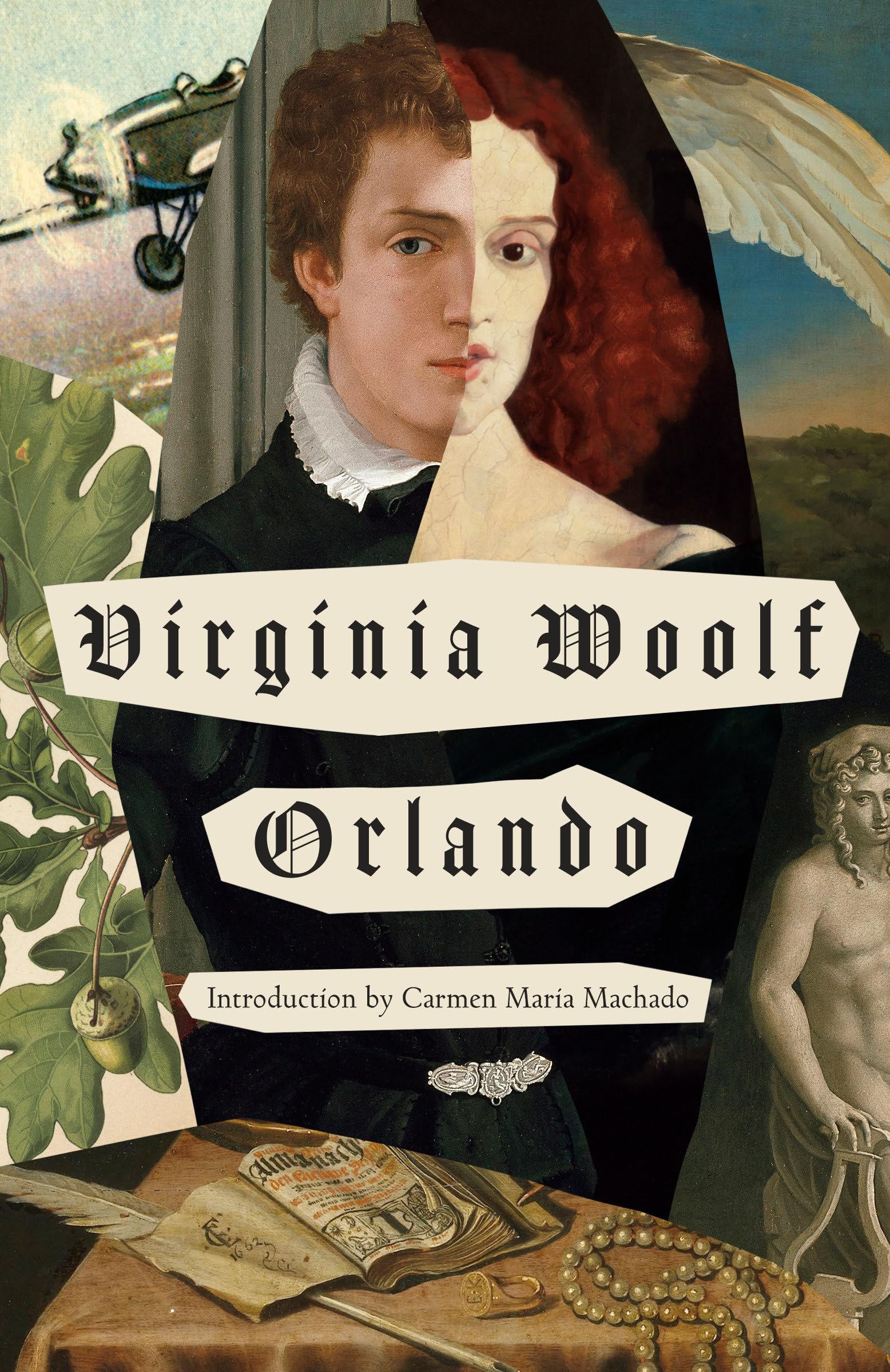
Book
-
Translating Gender: Why Machine Translation Still Struggles with Literary Identity in Virginia Woolf’s Orlando
The present article discusses the flattening effect of gender, as a fluid, socially constructed, and personally lived experience, when processed by machine translation. While recent advancements in artificial intelligence have significantly enhanced the fluency and accessibility of translation tools, their limitations become particularly evident when applied to literary texts that challenge established notions of identity.